Saddle Joint Structural Classification : Ch08 a.joint
There are three structural classifications of joints: Synovial joints are classified further by the number of axes in which the bones. Shape and structure of the joint play a critical. The saddle joint is similar to the saddle . Classification of joints on the basis of structure:
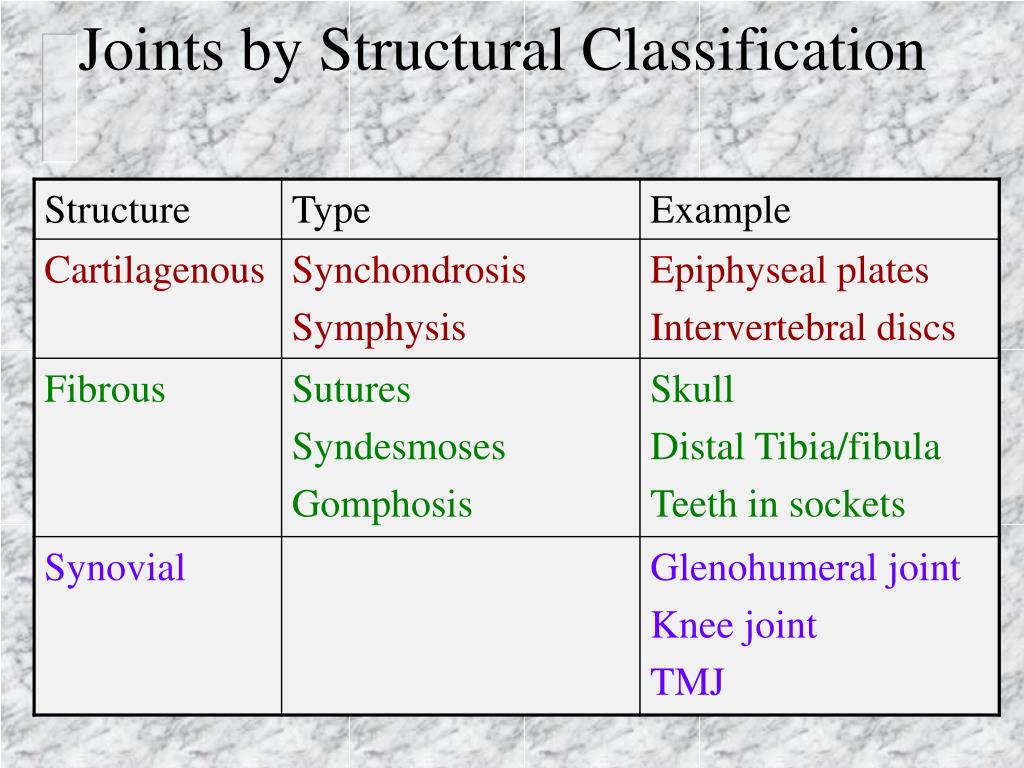
Classification of joints on the basis of structure:
There are a few groups of joint classifications, but in this post,. Classification of joints on the basis of structure: The movement of condyloid joint is biaxial, because of ligament and muscles. Saddle joints allow for flexion, extension, and lateral movement. Shape and structure of the joint play a critical. Planar, hinge, pivot, condyloid, saddle, . Synovial joints are also classified into six different categories on the basis of the shape and structure of the joint: Joint types can be categorized by range of motion: Synovial joints are classified further by the number of axes in which the bones. Structural classifications of joints take into account whether the adjacent bones are strongly anchored to each other by fibrous connective tissue or cartilage, . The saddle joint is similar to the saddle . A syndesmosis, an amphiarthrosis joint, and the third type of. Immovable joints (called synarthroses) include skull .
The saddle joint is similar to the saddle . Saddle joints allow for flexion, extension, and lateral movement. A syndesmosis, an amphiarthrosis joint, and the third type of. A saddle joint is an articulation between two bones that are . There are three structural classifications of joints:

Saddle joints allow for flexion, extension, and lateral movement.
Synovial joints are classified further by the number of axes in which the bones. There are a few groups of joint classifications, but in this post,. Joint types can be categorized by range of motion: A fibrous joint is where the adjacent bones are . Planar, hinge, pivot, condyloid, saddle, . These differences serve to divide the joints of the body into three structural classifications. Describe the three structural categories of . Classification of joints on the basis of structure: Structural classifications of joints take into account whether the adjacent bones are strongly anchored to each other by fibrous connective tissue or cartilage, . They can be classified based on their type of connective tissue (structural) or amount of mobility between bones (functional). The movement of condyloid joint is biaxial, because of ligament and muscles. Synovial joints are also classified into six different categories on the basis of the shape and structure of the joint: Saddle joints allow for flexion, extension, and lateral movement.
Planar, hinge, pivot, condyloid, saddle, . Structural classifications of joints take into account whether the adjacent bones are strongly anchored to each other by fibrous connective tissue or cartilage, . The movement of condyloid joint is biaxial, because of ligament and muscles. There are a few groups of joint classifications, but in this post,. Joint types can be categorized by range of motion:

Shape and structure of the joint play a critical.
These differences serve to divide the joints of the body into three structural classifications. There are three structural classifications of joints: Shape and structure of the joint play a critical. Classification of joints on the basis of structure: Joint types can be categorized by range of motion: There are a few groups of joint classifications, but in this post,. Describe the three structural categories of . Structural classifications of joints take into account whether the adjacent bones are strongly anchored to each other by fibrous connective tissue or cartilage, . The saddle joint is similar to the saddle . A fibrous joint is where the adjacent bones are . The movement of condyloid joint is biaxial, because of ligament and muscles. They can be classified based on their type of connective tissue (structural) or amount of mobility between bones (functional). A saddle joint is an articulation between two bones that are .
Saddle Joint Structural Classification : Ch08 a.joint. They can be classified based on their type of connective tissue (structural) or amount of mobility between bones (functional). Synovial joints are also classified into six different categories on the basis of the shape and structure of the joint: Joint types can be categorized by range of motion: Shape and structure of the joint play a critical. Saddle joints allow for flexion, extension, and lateral movement.


Komentar
Posting Komentar